
Introduction
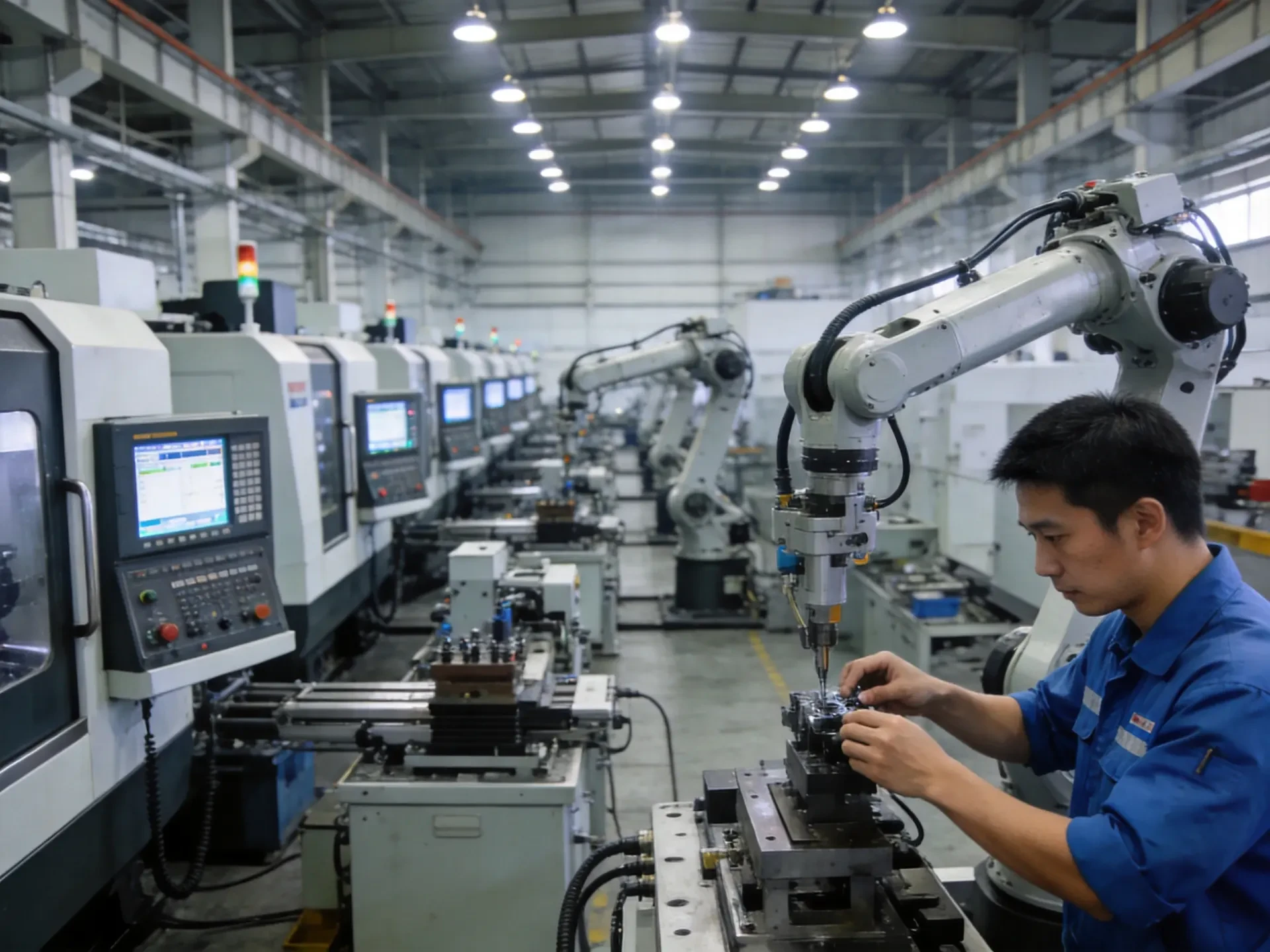
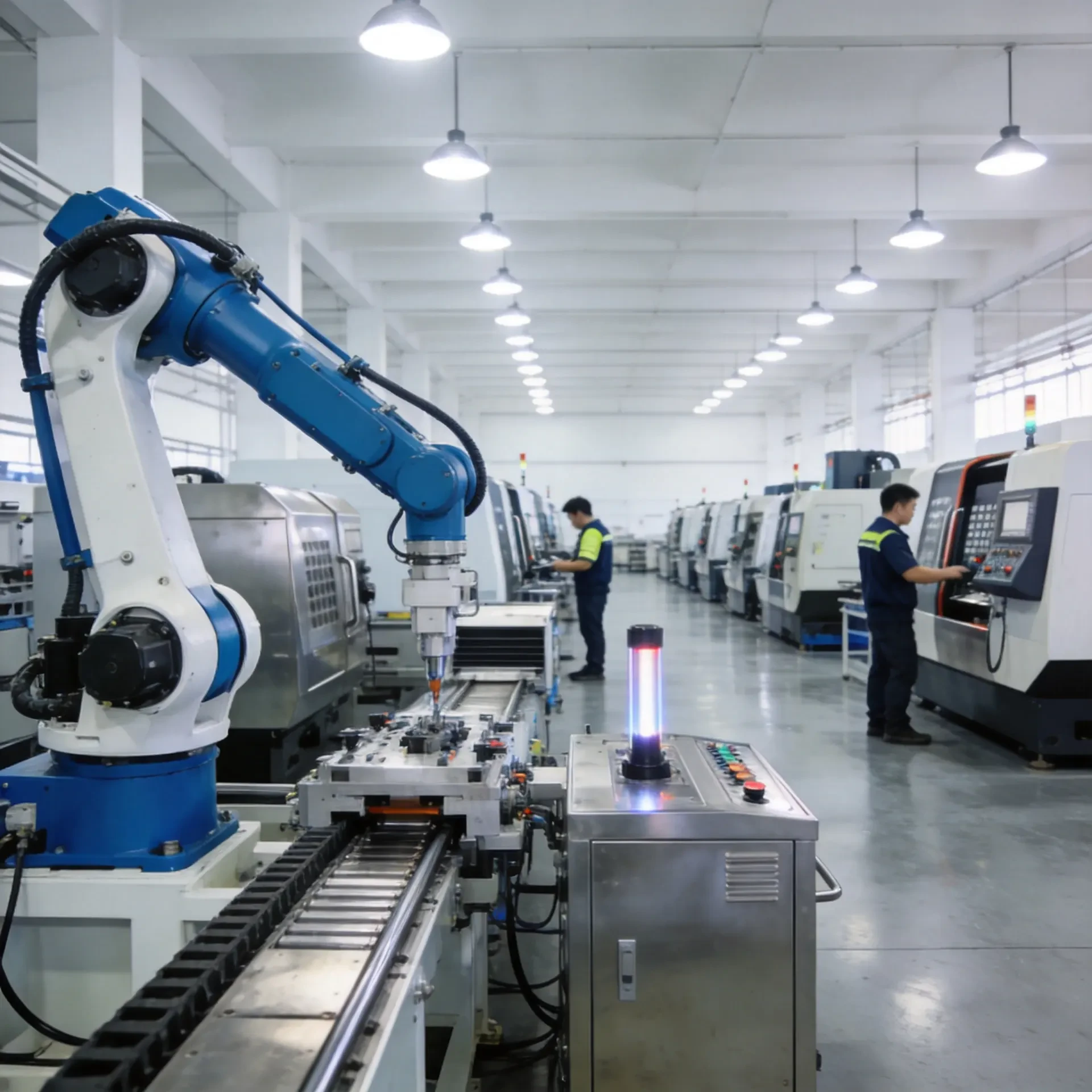
In high-volume manufacturing environments—especially automotive, electronics, and precision component assembly—robotic assembly cells are mission-critical assets. Yet even the most advanced robotic systems suffer performance degradation, unexpected failures, or safety incidents without disciplined, proactive maintenance. This article delivers a field-tested, actionable checklist designed specifically for production engineers, maintenance supervisors, and automation integrators managing multi-shift robotic lines. Drawing on real-world data from over 120 deployed cells across Tier-1 suppliers and contract manufacturers, these seven practices directly impact OEE optimization, reduce unplanned downtime by up to 43%, and extend robot service life by 2–4 years. Unlike generic vendor checklists, this guide emphasizes context-aware execution—factoring in cycle time intensity, environmental stressors (e.g., metal dust, coolant mist), and integration complexity. Implementing even five of these tips consistently yields measurable ROI within one quarter.
Why Robotic Cell Maintenance Goes Beyond Routine Servicing
Robotic assembly cells differ fundamentally from standalone robots: they integrate motion controllers, vision systems, PLCs, conveyors, end-effectors, and safety networks into tightly synchronized workflows. A single misaligned gripper or delayed safety sensor response can cascade into line stoppages costing $15,000–$40,000 per hour in lost throughput. Moreover, industrial robot upkeep in high-mix, high-speed settings demands more than scheduled greasing—it requires predictive insight, version-controlled software hygiene, and cross-system interoperability checks. Neglecting any layer risks compounding failure modes: thermal drift in servo motors accelerates bearing wear; outdated firmware may disable new collision-detection algorithms; unsecured cable routing invites fatigue-induced signal loss. As OEE benchmarks tighten across global OEMs, robotic cell maintenance has evolved from reactive troubleshooting to a core operational discipline.
Core Maintenance Practices for Maximum Uptime
Below is a prioritized, engineer-validated checklist—each tip includes implementation rationale, frequency guidance, and common pitfalls to avoid:
- Lubrication schedule: Follow OEM torque-and-timing specifications—not calendar intervals. Re-lubricate harmonic drives every 5,000–8,000 operating hours (not annually), using only ISO VG 68 synthetic grease compatible with gear material. Over-greasing causes heat buildup and seal extrusion.
- Calibration checks: Perform full TCP (Tool Center Point) and payload calibration quarterly—or after any mechanical shock event (e.g., collision recovery). Use laser tracker validation for cells handling ±0.02 mm tolerances. Skip visual alignment; rely on traceable metrology.
- End-effector inspection: Inspect vacuum cups, pneumatic grippers, and force-torque sensors daily for wear, leakage, or contamination. Replace cups every 120,000 cycles in dusty environments; log grip force decay trends to predict failure.
- Software updates: Maintain a controlled update pipeline: test patches in offline simulation first, validate I/O mapping and safety logic, then deploy during planned maintenance windows. Never apply firmware updates mid-batch—version mismatches between robot controller and vision system cause silent timeout errors.
- Safety sensor testing: Conduct functional safety tests (EN ISO 13849-1 PLd minimum) weekly—including light curtain response time (<15 ms), emergency stop circuit continuity, and dual-channel redundancy verification. Document all test results digitally for audit compliance.
- Cable management: Inspect robot arm cables for kinking, abrasion, or jacket cracking at pivot points every 200 operating hours. Replace bundled harnesses every 2 years—or sooner if flex-cycle count exceeds 1 million. Use strain-relief brackets and dynamic-rated cables rated for ≥5 million flex cycles.
- Backup protocols: Automate daily backups of robot programs, PLC logic, HMI configurations, and calibration files to encrypted, geographically separate storage. Verify restore integrity monthly. Include version timestamps and change logs to enable rapid rollback after erroneous modifications.
Integrating Maintenance Into Your Operational Workflow
Successful preventive maintenance isn’t about adding tasks—it’s about embedding intelligence into existing routines. Link maintenance triggers to production KPIs: initiate calibration checks when OEE drops below 88% for three consecutive shifts; flag end-effector replacement when pick-and-place success rate falls below 99.92%. Equip technicians with mobile tablets running AR-guided procedures—overlaying torque specs and sensor locations directly onto live camera feeds. Finally, treat maintenance data as strategic IP: aggregate lubrication logs, calibration drift rates, and backup success metrics to forecast component lifecycles and optimize spare parts inventory. This transforms robotic cell maintenance from cost center to competitive advantage.
Conclusion
Maintaining robotic assembly cells in high-volume manufacturing demands precision, consistency, and contextual awareness—not just checklist completion. By adopting these seven evidence-based practices, operations teams gain measurable control over uptime, quality consistency, and total cost of ownership. Each tip targets a known root cause of unplanned downtime, aligning directly with OEE optimization goals and industry safety standards. Start with lubrication scheduling and safety sensor validation—they deliver the fastest ROI—and scale systematically. Remember: the most reliable robotic cell isn’t the newest—it’s the best maintained. For tailored support implementing this framework—including custom CMMS integration or technician certification pathways—contact our industrial automation engineering team.